
 Back
Back 

Best Wine Opener for Every Bottle: How to Choose the Right Corkscrew
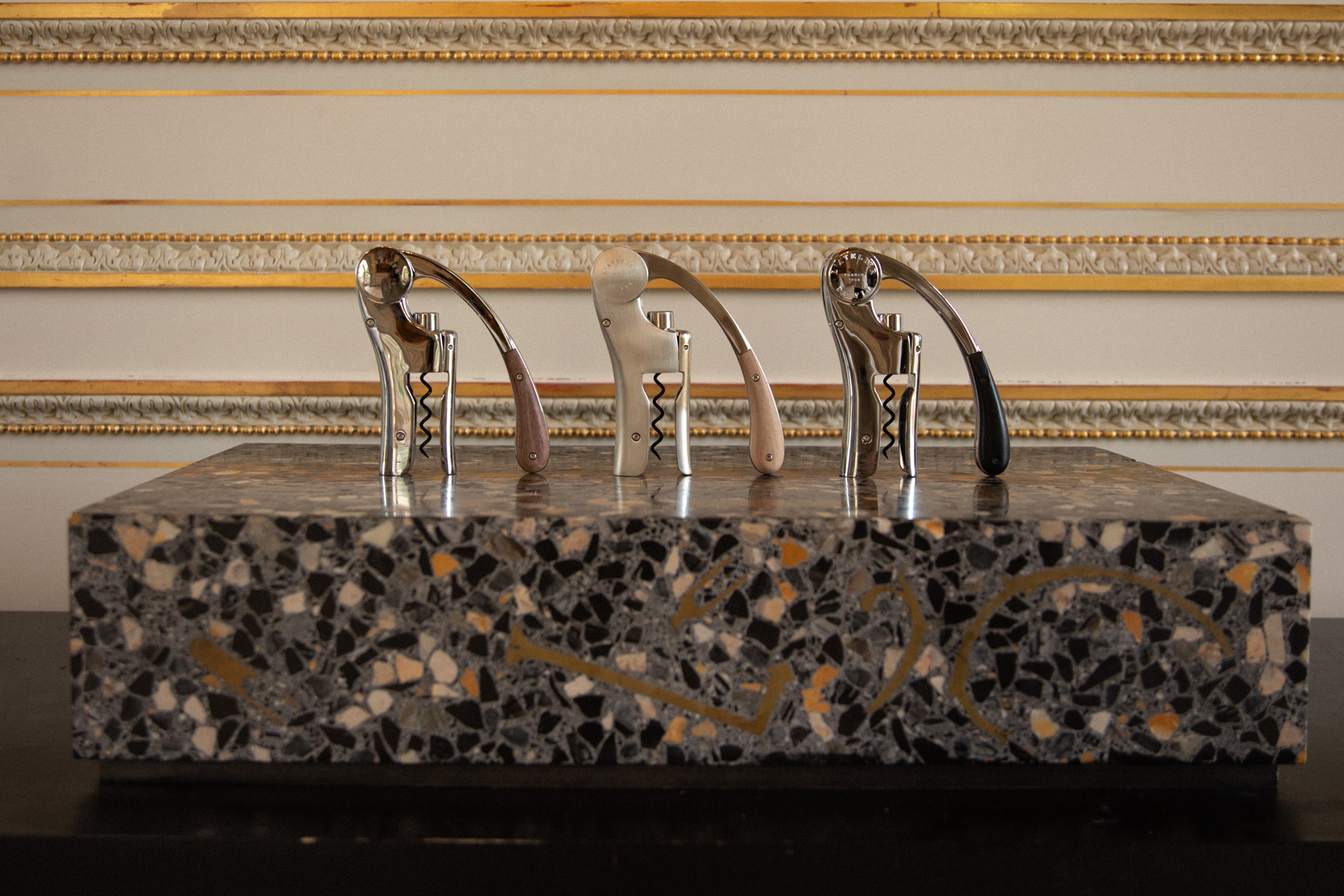
The best wine opener depends on the bottle and the person using it. A waiter’s corkscrew offers an excellent balance of control and portability for everyday use, a lever corkscrew reduces effort, a winged or endless model favors simplicity, and a twin-blade corkscrew is designed for old or fragile corks.
Wine Openers Compared at a Glance
| Wine opener type | Best for | Main advantage | Consider before buying |
|---|---|---|---|
| Waiter’s corkscrew (Wine Key) | Everyday use, restaurant service and travel | Compact, precise and often includes a foil cutter | Takes a little practice |
| Lever corkscrew | Frequent opening, entertaining and premium gifts | Fast opening with less hand effort | Larger than a wine key |
| Winged corkscrew | Casual home use | Familiar and stable mechanism | Less portable and controlled |
| Endless corkscrew | Beginners and steady tabletop use | Cork rises through continuous turning | Slower and bulkier |
| Twin-blade corkscrew | Old bottles and fragile corks | Removes the cork without piercing it | Requires practice |
There is no single opener that is ideal for every person and every bottle. The right choice depends on whether you prioritize portability, speed, reduced effort, presentation or the careful handling of an aged cork.
What Is the Best Wine Opener for Most People?
For many wine drinkers, a well-made waiter’s corkscrew is the most versatile starting point. It is compact, easy to store and gives the user direct control over the cork. Most versions combine a spiral, lever and foil-cutting blade in one foldable tool.
How to Choose a Wine Opener
Start With the Bottle and Cork
A young bottle with a sound natural or synthetic cork can be opened with most common corkscrews. An older cork may become brittle, porous or difficult to grip, making a conventional spiral more likely to split or crumble it.
For mature bottles, a twin-blade corkscrew slides between the cork and glass instead of driving a spiral through the cork. For everyday bottles with intact closures, waiter’s, lever, winged and endless corkscrews are convenient options.
Consider Frequency and Hand Comfort
A compact waiter’s corkscrew is practical for occasional opening and professional table service. A lever mechanism can be more comfortable when you regularly open several bottles during dinners, events or tastings.
A winged or endless model may suit an occasional user who prefers to leave the bottle on a stable surface.
The best corkscrew should feel stable in your hand. Compare the shape of the handle, the amount of leverage and whether the motion requires twisting, squeezing or pulling.

Think About Where You Will Use It
A waiter’s corkscrew slips into a pocket, drawer or travel case. A lever opener is better suited to a kitchen, bar cart or tasting room. A twin-blade opener belongs naturally in a cellar kit, especially when mature bottles are opened regularly.
Gift buyers may also prefer a presentation set or a model that can be personalized. In that case, consider not only the opening mechanism but also the materials, storage case and visual presence of the tool.
Look Beyond the Initial Purchase
Check whether frequently used components can be replaced, whether the tool includes a foil cutter and how its mechanism should be cleaned or maintained.

A premium wine opener should not be judged by appearance alone. Ergonomics, stability, material quality, replacement parts and suitability for the intended bottles are more useful buying criteria.
Waiter’s Corkscrew: Best All-Around Choice

Also called a waiter’s friend, sommelier corkscrew or wine key, this foldable opener places a spiral and lever in a compact body. Many models also include a foil-cutting blade.
It is a strong choice for:
- everyday wine bottles;
- restaurant and table service;
- compact storage;
- travel;
- buyers seeking one practical first corkscrew.
The main trade-off is technique. The spiral should enter near the center of the cork, and the lever should rest securely on the bottle lip. A double-step mechanism can make the extraction more gradual and controlled.
L’Atelier du Vin’s Chef Sommelier combines a double-lever mechanism, foil-cutting blade, steel body and wood handle. The Garçon emphasizes a compact, pocket-friendly format with an integrated foil cutter.
Lever Corkscrew: Best for Easy, Frequent Opening

A lever corkscrew grips the bottle neck and uses a larger handle to insert the spiral and lift the cork. Its mechanical advantage reduces the twisting and pulling required from the user.
Choose a lever wine opener when you:
- entertain frequently;
- open several bottles at a time;
- prefer a larger and more comfortable motion;
- want a visually distinctive wine tool;
- are selecting a premium wine gift.
Lever openers are larger than waiter’s corkscrews and contain moving parts, so storage, maintenance and the availability of replacement components should be considered.
The Oeno Motion Wood & Black uses a vertical lever mechanism, an integrated foil cutter and a solid walnut handle. Its presentation box and strong visual identity also make it suitable for gifting.
Winged Corkscrew: Best for Familiar Home Use

A winged corkscrew has two arms that rise as the center handle turns the spiral into the cork. Pressing the arms downward lifts the cork while the bottle remains on a stable surface.
This familiar mechanism can work well for casual meals and shared kitchens. Its limits are portability and precision. A winged corkscrew is larger than a wine key and provides less direct feedback during extraction, so it is not the preferred tool for an old or fragile cork.
L’Atelier du Vin’s The “de Gaulle” model uses a double-lever mechanism and combines the recognizable winged silhouette with a bottle opener.
Endless Corkscrew: Best for Continuous Turning

An endless corkscrew, also called a continuous-turn or twist corkscrew, sits over the bottle neck. As the handle turns in one direction, the mechanism drives the spiral into the cork and gradually raises it.
This design can feel intuitive because it replaces a separate upward pull with one repeated turning motion. The base helps keep the spiral centered, making it suitable for beginners and everyday corks.
An endless corkscrew is generally larger than a wine key and may take longer than a lever opener. It is intended for sound closures rather than badly degraded corks.
Twin-Blade Corkscrew: Best for Old or Fragile Corks

A twin-blade corkscrew uses two thin blades of different lengths. The blades slide between the cork and the bottle neck, surrounding the cork so it can be twisted and lifted without being pierced.
This type of opener is particularly relevant for:
- mature wines;
- brittle or porous corks;
- collectible bottles;
- corks that the owner wants to preserve intact;
- bottles where a conventional spiral may cause the closure to crumble.
L’Atelier du Vin patented the Bilame twin-blade corkscrew in 1949. To use it, insert the longer blade first, work both blades downward with a gentle alternating motion, then twist while pulling upward. Practicing on an everyday bottle is sensible before using the technique on a valuable vintage.
Which Wine Opener Should You Buy?
Choose according to your primary use:
| Your main requirement | Recommended type |
|---|---|
| One versatile first corkscrew | Waiter’s corkscrew |
| Frequent entertaining and reduced effort | Lever corkscrew |
| Familiar casual home use | Winged corkscrew |
| Smooth continuous turning | Endless corkscrew |
| Mature bottles and fragile corks | Twin-blade corkscrew |
| Compact professional service | Double-lever waiter’s corkscrew |
| Premium gift with visual presence | Lever corkscrew or presentation set |
Collectors may benefit from owning two tools: a waiter’s or lever corkscrew for regular bottles and a twin-blade model for older vintages.
Gift buyers should also consider the recipient’s habits. A compact sommelier corkscrew suits someone who enjoys traditional wine service, while a lever model offers an easier motion and stronger visual presence. A Bilame makes a distinctive gift for a collector who already owns conventional corkscrews.
What Features Make a Good Corkscrew?
A Well-Formed Spiral and Effective Leverage
The spiral should enter cleanly and remain centered. A well-positioned fulcrum, double-step lever or larger handle can help the cork rise in a controlled line.
On a frequently used model, check whether the spiral or other wear parts can be replaced.
A Comfortable Grip
Wood, metal and technical materials feel different in the hand. Choose a handle that feels secure and suits the way you naturally twist, squeeze or pull.
A compact profile is useful for portability, but a larger handle may provide greater leverage.
An Integrated Foil Cutter
The cutter should be positioned so that it is easy to access while remaining safely enclosed during storage.
Durability and Presentation
Look for stable joints, reliable mechanisms and materials appropriate for the expected frequency of use. Follow the manufacturer’s care instructions and keep moving parts clean.
For a gift, consider finish, personalization, storage case and packaging alongside the mechanism itself. L’Atelier du Vin offers corkscrews ranging from compact sommelier tools to lever models, twin-blade openers and presentation pieces.
Frequently Asked Questions
Is a wine opener the same as a corkscrew?
“Wine opener” is a broad term for tools used to open wine bottles. A traditional corkscrew uses a spiral, also called a worm, to extract the cork. Twin-blade extractors and electric devices are also commonly described as wine openers, even though their mechanisms differ.
What is the easiest wine opener to use?
A lever corkscrew is often one of the easiest manual choices for users who want to reduce twisting and pulling. A continuous-turn model can also be beginner-friendly. The easiest option ultimately depends on the user’s grip, mobility and familiarity with the mechanism.
What is the best wine opener for an old bottle?
A twin-blade corkscrew is designed for old or fragile corks because its blades slide around the closure instead of piercing it. Practice the movement before opening a valuable bottle. A severely damaged cork may require another specialized extractor or experienced assistance.
Is a wine key the same as a waiter’s corkscrew?
In common American usage, “wine key,” “waiter’s corkscrew,” “waiter’s friend” and “sommelier corkscrew” generally describe the same foldable style with a spiral and lever. Some models use one lever step, while others use two.
Is a lever corkscrew better than a winged corkscrew?
A lever corkscrew is generally better suited to frequent opening and users who want to reduce manual effort. A winged corkscrew is a familiar and stable choice for occasional home use. Neither is the preferred option for a brittle aged cork, where a twin-blade opener provides a more specialized approach.
Can one corkscrew open every wine bottle?
No single style is ideal for every cork condition. A waiter’s, lever, winged or endless corkscrew can handle most sound everyday corks, while a twin-blade opener is better suited to old or fragile closures.
Are expensive corkscrews worth it?
A premium corkscrew may be worthwhile when it provides better ergonomics, durable materials, replaceable components, refined finishing or gift presentation. Price alone does not guarantee that a wine opener will suit the user. Mechanism, comfort, frequency of use and bottle type remain the most important criteria.
Choose the Best Wine Opener for Your Ritual
The best wine opener is the one that matches your bottles, hands and habits. A waiter’s corkscrew offers compact versatility, a lever opener brings comfort and speed, a winged or endless model suits familiar home use, and a twin-blade corkscrew helps protect old or fragile corks.
Compare the different mechanisms before choosing. The right corkscrew should make opening a bottle feel controlled and natural while respecting the wine, the cork and the moment of service.

How To Preserve an Open Bottle of Wine or Champagne
What is the best way to preserve a bottle of wine or champagne after opening and tasting it? In this complete guide, L’Atelier du Vin provides an overview of our best practices. We will also present the best preservation accessories for wine, champagne and sparkling wine, to prolong your oenological experience until the very last drop.
Discover our the art of tasting
In Search of Vintage Corkscrews, a Collector’s Favourite
An antique corkscrew can evoke strong emotions for oenophiles, wine collectors, and sommelier enthusiasts. L’Atelier du Vin is a haven for helixophiles, offering a variety of vintage corkscrews from various parts of Europe.
Discover our the brand
The Twin-blade: an atypical corkscrew with a history
The idea: “pull” the cork from the bottle without piercing it.
Discover our the art of living wine


